
Why Construction Advocacy is Essential for Industry Growth and Community Development
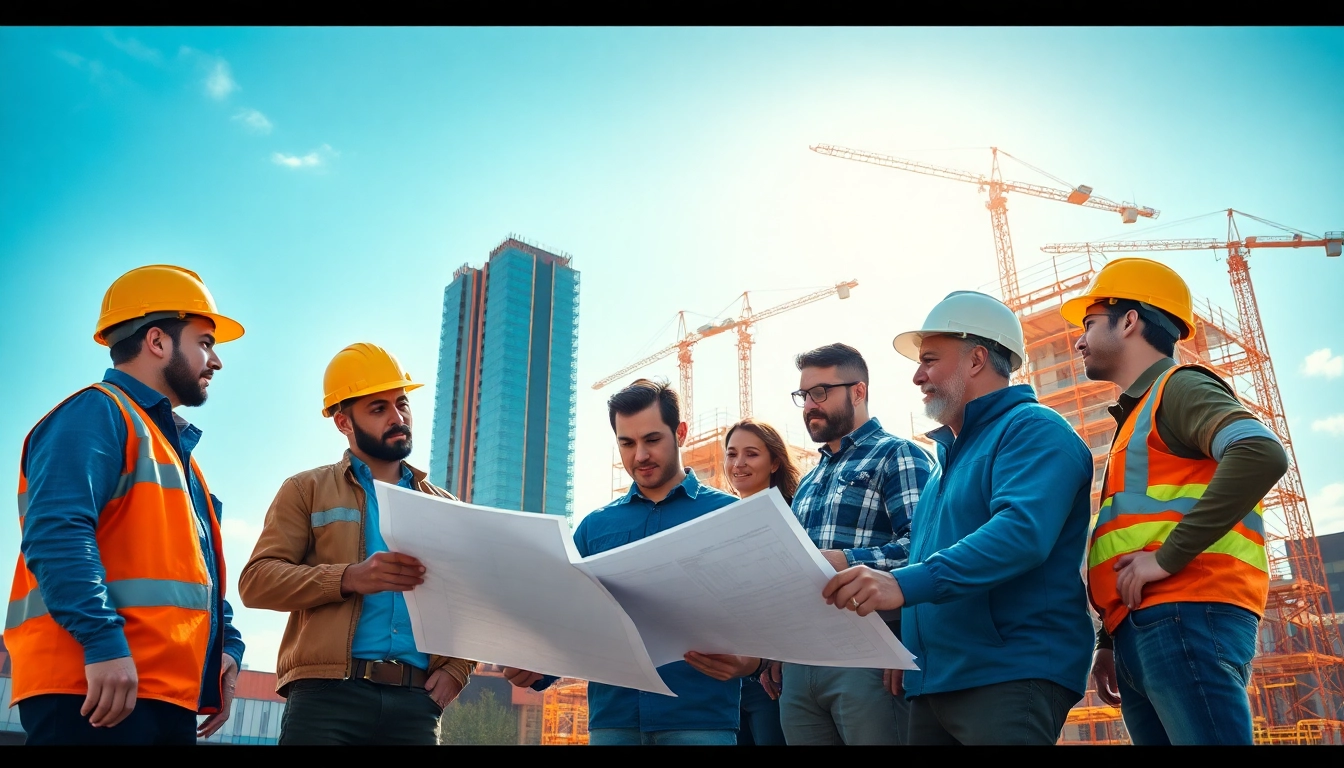
The Importance of Construction Advocacy
Construction advocacy is a vital aspect of the construction industry that focuses on promoting fair practices, improving industry standards, and engaging with communities. Through focused efforts, construction advocacy seeks to influence policy, enhance safety protocols, and foster positive relationships between various stakeholders in the industry. Without vigilant advocacy, the construction sector could face numerous challenges that impede growth and sustainable progress. For comprehensive insights, take a closer look at construction advocacy and its multifaceted role within the industry.
Defining Construction Advocacy
At its core, construction advocacy involves representing the interests of the construction industry and its professionals. This can include a variety of activities such as lobbying for favorable legislation, delivering educational resources, and promoting safety standards. Construction advocacy is essential because it addresses challenges such as regulatory issues, public perception, and industry standards that could otherwise hinder operational efficiency and community trust.
Impact on Industry Standards
Construction advocacy plays a pivotal role in shaping industry standards. By engaging with policymakers, advocates can influence legislation related to building codes, labor practices, and environmental standards. Additionally, advocacy groups work to promote best practices in areas such as safety training, which not only protects workers but also enhances the industry’s public image. The establishment of universally accepted standards fosters a level of quality and reliability that increases consumer confidence in construction services.
Community Engagement Through Advocacy
Effective construction advocacy focuses on community engagement as a cornerstone of its efforts. By addressing community concerns and promoting local projects that align with community needs, advocates can build support for the industry. Community engagement can take many forms, from town hall meetings to public awareness campaigns. These initiatives help to demystify the construction process and garner citizen support for projects that contribute to community development.
Key Elements of Effective Advocacy
Building Strong Relationships
Successful construction advocacy hinges on the ability to build and maintain strong relationships with a variety of stakeholders, including government officials, community leaders, and industry professionals. Establishing trust and open lines of communication can facilitate meaningful dialogs that address mutual concerns and promote cooperation. Networking at industry events can also bolster relationships and result in collaborative efforts that drive advocacy initiatives.
Utilizing Social Media
In today’s digital age, social media has become an indispensable tool for construction advocacy. Platforms such as Twitter, LinkedIn, Facebook, and Instagram offer powerful channels to disseminate information, engage with the public, and mobilize support for advocacy campaigns. Crafting engaging content that resonates with diverse audiences can increase awareness about construction-related issues and attract a broader constituency of support.
Collaborating with Stakeholders
Collaboration is critical within construction advocacy. Working with various stakeholders—including construction companies, local governments, non-profits, and trade organizations—can amplify advocacy efforts. Joint initiatives often lead to more powerful statements and greater impact, as they pool resources and create a unified message that resonates more strongly with decision-makers and the public.
Challenges Facing Construction Advocacy
Regulatory Obstacles
Navigating the regulatory landscape can pose significant challenges for construction advocacy. There are myriad laws and regulations at local, state, and federal levels that dictate how construction is conducted. Advocacy groups must often work tirelessly to influence these regulations, ensuring that they support both industry growth and community interests while addressing safety and environmental concerns.
Public Perception Issues
Construction is sometimes viewed in a negative light due to past incidents related to safety breaches or environmental harm. Addressing public perception through advocacy is essential for rebuilding trust and demonstrating the industry’s commitment to safety and sustainability. Effective messaging and transparent communication can reshape public narratives, presenting the construction industry as a vital component of community and economic development.
Resource Limitations
Many advocacy initiatives are limited by resources including funding, staffing, and time. Nonprofits and associations may face challenges in delivering their advocacy missions, often relying heavily on volunteers or limited sponsorship. Developing a strategic plan that aligns initiatives with available resources can help overcome these limitations, ensuring that advocacy efforts remain impactful despite constraints.
Success Stories in Construction Advocacy
Case Study: Local Community Projects
One compelling example of successful construction advocacy can be found in local community projects designed to revitalize neighborhoods. Through collaborative efforts, community members and construction advocates can come together to address housing needs, creating affordable living options while democratizing the construction process. These projects not only enhance local economies but also strengthen communal ties.
Learning from Successful Associations
Industry associations play a critical role in advocating for construction-related issues. Successful associations frequently implement comprehensive programs that achieve significant legislative outcomes and community support. By sharing successful strategies, such associations foster innovation in advocacy, encouraging others in the industry to adopt best practices and refine their approaches.
Impact on Legislative Changes
The power of construction advocacy is often exemplified through legislative changes that enhance safety regulations or incentivize sustainable practices. Effective advocacy campaigns can mobilize support from the public and stakeholders, leading to substantial policy shifts. These changes not only benefit the construction industry but also contribute positively to public welfare and environmental sustainability.
Measuring the Impact of Advocacy Efforts
Performance Metrics to Consider
To gauge the effectiveness of advocacy efforts, it is crucial to establish clear performance metrics. These metrics may include the number of legislative changes influenced, increased public awareness levels, and engagement rates in community outreach initiatives. By analyzing these metrics, advocacy groups can assess their progress and make informed decisions about future initiatives.
Surveys and Feedback Mechanisms
Collecting feedback through surveys and other mechanisms can provide valuable insights into the perceptions of both the construction industry and its advocacy efforts. Surveys conducted before and after advocacy campaigns can illuminate shifts in public perception and highlight areas for improvement. Feedback can also help refine messaging and strategies for future initiatives.
Using Data to Drive Future Initiatives
Data-driven decision making is essential for effective advocacy. By utilizing data collected from advocacy efforts, organizations can identify successful strategies, recognize trends, and adapt their approaches based on what has proven effective. Investing in data analysis not only bolsters credibility but also enhances the efficacy of future advocacy initiatives.
Frequently Asked Questions
What is construction advocacy?
Construction advocacy is the process of promoting the interests of the construction industry through lobbying, community engagement, and educational initiatives.
Why is advocacy important in construction?
Advocacy is crucial in construction for influencing industry standards, shaping regulations, and enhancing public perception, ultimately leading to sustainable growth.
What are some challenges faced by construction advocacy?
Challenges include regulatory obstacles, public perception issues, and resource limitations that hinder the effectiveness of advocacy initiatives.
How can social media help in construction advocacy?
Social media serves as a powerful tool for disseminating information, engaging with stakeholders, and mobilizing support for advocacy campaigns in real-time.
How can we measure the success of construction advocacy?
Success can be measured through performance metrics, surveys, and data analysis, allowing advocates to gauge the effectiveness of their initiatives.