
Mastering Your Future: The Advantages of a Plumbing Apprenticeship
Understanding the Plumbing Apprenticeship
What is a Plumbing Apprenticeship?
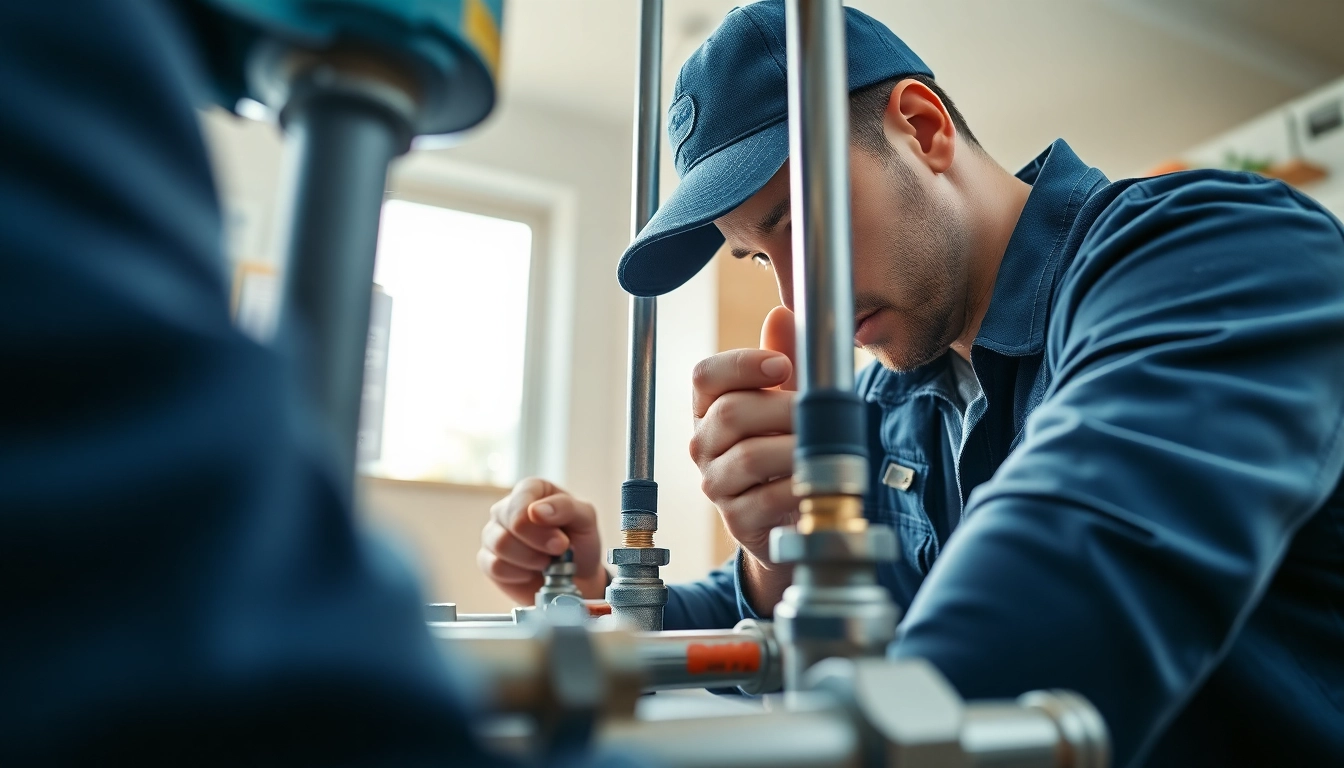
A plumbing apprenticeship is a structured training program that combines on-the-job training with classroom instruction. It allows aspiring plumbers to learn the trade under the guidance of experienced professionals while earning a wage. This hands-on approach not only equips apprentices with essential technical skills but also familiarizes them with the real-world challenges of plumbing. Those interested in pursuing this career path are encouraged to explore a reputable plumbing apprenticeship that aligns with their goals and aspirations.
How Does a Plumbing Apprenticeship Work?
A plumbing apprenticeship typically lasts between two to five years, depending on the program and local regulations. Apprentices spend 80% of their time working under the supervision of journeymen plumbers and 20% in a classroom setting. During this time, they learn about various plumbing systems, fixtures, and regulations, as well as practical skills such as pipe fitting, installation, and repair. Assessments and evaluations are conducted periodically to ensure that apprentices are progressing and grasping necessary concepts.
Benefits of a Plumbing Apprenticeship
Engaging in a plumbing apprenticeship offers numerous benefits. Firstly, apprentices gain practical experience that is invaluable in the job market, setting them apart from those who only pursue theoretical training. Secondly, they typically earn a wage while learning, reducing financial burdens associated with traditional schooling. Additionally, completing an apprenticeship often opens doors to obtaining licensure, which is crucial for career advancement in plumbing. Lastly, this pathway provides networking opportunities and mentorship from industry professionals, promoting long-term career growth.
Getting Started with Your Plumbing Apprenticeship
Requirements for a Plumbing Apprenticeship
Before embarking on a plumbing apprenticeship, candidates must meet certain prerequisites. Generally, applicants should be at least 18 years old and possess a high school diploma or GED. Some programs may require completion of a pre-apprenticeship course that covers basic plumbing concepts and safety practices. Additionally, prospective apprentices should demonstrate a willingness to learn, good communication skills, and physical capabilities to perform the job’s demands.
Finding the Right Program for You
With various programs available, choosing the right plumbing apprenticeship involves research and consideration of personal career goals. Prospective apprentices should look for programs accredited by recognized industry certifications, as these often provide a more comprehensive educational experience. Factors such as program length, location, wages, benefits, and the quality of instructors should also influence decisions. It’s advisable to connect with current apprentices or alumni to gain first-hand insights about their experiences.
Tips for a Successful Application
Applying for a plumbing apprenticeship can be competitive, so having a strong application is crucial. Begin by crafting a professional resume highlighting relevant skills, work experience, and educational background. Consider writing a personalized cover letter that expresses passion for plumbing and commitment to learning the trade. Additionally, securing recommendations from instructors or past employers can significantly enhance the application. Finally, prepare for interviews by researching common questions and practicing clear communication.
The Skills You’ll Learn in a Plumbing Apprenticeship
Core Plumbing Skills Explained
Throughout a plumbing apprenticeship, participants acquire a wide range of core skills essential for success in the field. These skills include installing and repairing pipes and fixtures, understanding plumbing codes, and diagnosing issues. Apprentices learn how to work with various materials, such as copper, PVC, and galvanized steel, and develop an understanding of water supply systems and drainage systems. Mastery of these skills will equip them to handle diverse plumbing tasks effectively.
Safety and Regulatory Training
Safety is paramount in plumbing, making regulatory training a critical component of an apprenticeship. Apprentices learn to adhere to safety protocols to minimize risks associated with plumbing work, such as exposure to hazardous materials, falls, or water damage. Training often includes understanding local building codes and regulations to ensure compliance during all plumbing installations and repairs. This knowledge not only safeguards the apprentice but also protects future clients and their properties.
Soft Skills Development during Your Apprenticeship
In addition to technical skills, plumbing apprenticeships emphasize the cultivation of soft skills that enhance professional interaction and job performance. Effective communication is essential for understanding client needs and collaborating with construction teams. Problem-solving skills are crucial when diagnosing issues in existing systems or during installations. Time management and organizational skills help plumbers complete tasks efficiently and meet project deadlines. Developing these skills sets apprentices up for long-term success in their careers.
Challenges in a Plumbing Apprenticeship
Common Challenges Faced by Apprentices
While plumbing apprenticeships offer immense benefits, they can also present challenges. Common challenges include the physically demanding nature of the job, which may lead to fatigue or injuries, especially for beginners. Additionally, apprentices may find it difficult to master complex concepts or technical skills at first. The expectations of balancing classroom learning with hands-on practice can also be overwhelming. Recognizing these challenges is the first step towards overcoming them.
Overcoming Obstacles in Your Training
Success in overcoming challenges during your apprenticeship hinges on adaptability and resilience. Apprentices should not be afraid to seek help from supervisors, mentors, or fellow apprentices when struggling with concepts or tasks. Regular practice can help solidify skills, and understanding that learning is a progressive journey can alleviate some pressure. Setting personal goals and breaking down larger tasks will make the learning process more manageable and rewarding.
Support Systems Available for Apprentices
Apprentices can take advantage of various support resources designed to facilitate their training journey. Many programs offer mentorship, connecting apprentices with experienced tradespeople who can provide guidance and share valuable insights. Additionally, apprentices should utilize online resources, workshops, and community forums that address specific questions and concerns. Finally, networking with fellow apprentices can foster camaraderie and encouragement throughout the learning process.
Career Opportunities After a Plumbing Apprenticeship
Job Roles and Employment Prospects
The completion of a plumbing apprenticeship opens up a variety of job roles within the plumbing industry. Graduates can work as journeyman plumbers, plumbing contractors, or specialized technicians in areas such as residential plumbing, commercial plumbing, and even industrial plumbing systems. With continued experience, plumbers can advance to supervisory or management roles. Employment prospects for skilled plumbers remain robust, with demand projected to grow due to increasing construction and renovation projects.
Continuing Education and Certifications
After completing a plumbing apprenticeship, further education and certifications can enhance a plumber’s career opportunities. Many jurisdictions require plumber certification or licensing, which often involves passing an exam that assesses both practical skills and knowledge of codes and regulations. Additionally, pursuing specialized certifications in areas such as green plumbing, backflow prevention, or gas fitting can set individuals apart and demonstrate expertise, potentially leading to higher wages and advanced roles.
The Long-Term Benefits of Your Apprenticeship
Engaging in a plumbing apprenticeship provides long-term benefits that extend beyond job readiness. The practical experience and skill set developed during this time enhance earning potential and job security. Additionally, apprenticeships often foster strong professional networks that can lead to referrals, partnerships, and new job opportunities throughout one’s career. Many apprentices also find personal satisfaction in the tangible impact their work has on daily lives and the communities they serve.
FAQs about Plumbing Apprenticeships
What is the duration of a plumbing apprenticeship?
The duration of a plumbing apprenticeship typically ranges from two to five years, depending on the structure and requirements of the program.
Can I work while studying for a plumbing apprenticeship?
Yes, plumbing apprentices are generally employed in the field while studying, allowing them to earn income while learning necessary skills and concepts.
What qualifications do I need to start an apprenticeship?
To start a plumbing apprenticeship, you typically need to be at least 18 years old and hold a high school diploma or GED. Some programs may have additional requirements.
Are there costs associated with a plumbing apprenticeship?
While many apprentices earn wages, some programs may have costs for tools, textbooks, or fees for licensing exams, but these can vary by location and program.
What career paths are available after completing an apprenticeship?
After completing an apprenticeship, you can work as a journeyman plumber, specialized technician, or even pursue management roles within plumbing companies or start your own business.