
Mastering the CM88 Sound: 5 Essential Techniques for 2026
Understanding CM88: The Evolution of Cinematic Soundscapes
The landscape of sound design has undergone a remarkable transformation over the years, evolving alongside technological advancements and artistic experimentation. At the forefront of this evolution is the concept of CM88, which embodies a rich tapestry of musical expression and immersive auditory experiences. This article delves into the essence of CM88, exploring its origins, key features, and the significant role it plays in modern soundscapes.
1.1 What is CM88?
CM88 represents a unique genre of music characterized by its cinematic quality and diverse soundscapes. It encompasses a variety of styles, merging electronic elements with traditional instrumentation to create profound auditory experiences. This genre has gained traction among listeners seeking to escape the ordinary, providing them with lush soundscapes that evoke powerful emotions.
1.2 Historical Context and Significance
The roots of CM88 can be traced back to the early days of electronic music, where pioneers experimented with synthesizers and sound manipulation techniques. As technology advanced, artists began to incorporate digital audio workstations (DAWs) and sophisticated sound libraries, which allowed for greater creative freedom and more complex compositions. CM88 has emerged as a significant player in the realm of modern music, reflecting cultural shifts and technological progress.
1.3 Key Features of CM88 Sound Design
- Layering: CM88 soundscapes often feature multiple layers of sounds that create depth and richness. This technique allows artists to build complex textures that enhance the listening experience.
- Dynamic Range: The effective utilization of dynamic range is crucial in CM88 compositions. Artists carefully navigate between soft, subtle moments and exhilarating crescendos, engaging listeners emotionally.
- Instrumentation: Blending traditional instruments with modern electronic sounds is a hallmark of CM88. This fusion creates a unique sonic identity that is both familiar and experimental.
Exploring the Technical Aspects of CM88
Diving deeper into the technical side of CM88, it becomes evident that sound design requires not only creativity but also a solid understanding of audio principles. Mastering these technical aspects is essential for producing high-quality soundscapes that resonate with listeners.
2.1 Microphone Types and Their Importance
The choice of microphone plays a pivotal role in capturing the nuances of sound. For CM88 productions, condenser microphones, such as the Nady CM-88, are highly favored due to their sensitivity and wide frequency response. Understanding the various types of microphones and their applications can greatly enhance the recording quality of soundscapes.
2.2 Acoustic Treatment for Optimal Sound
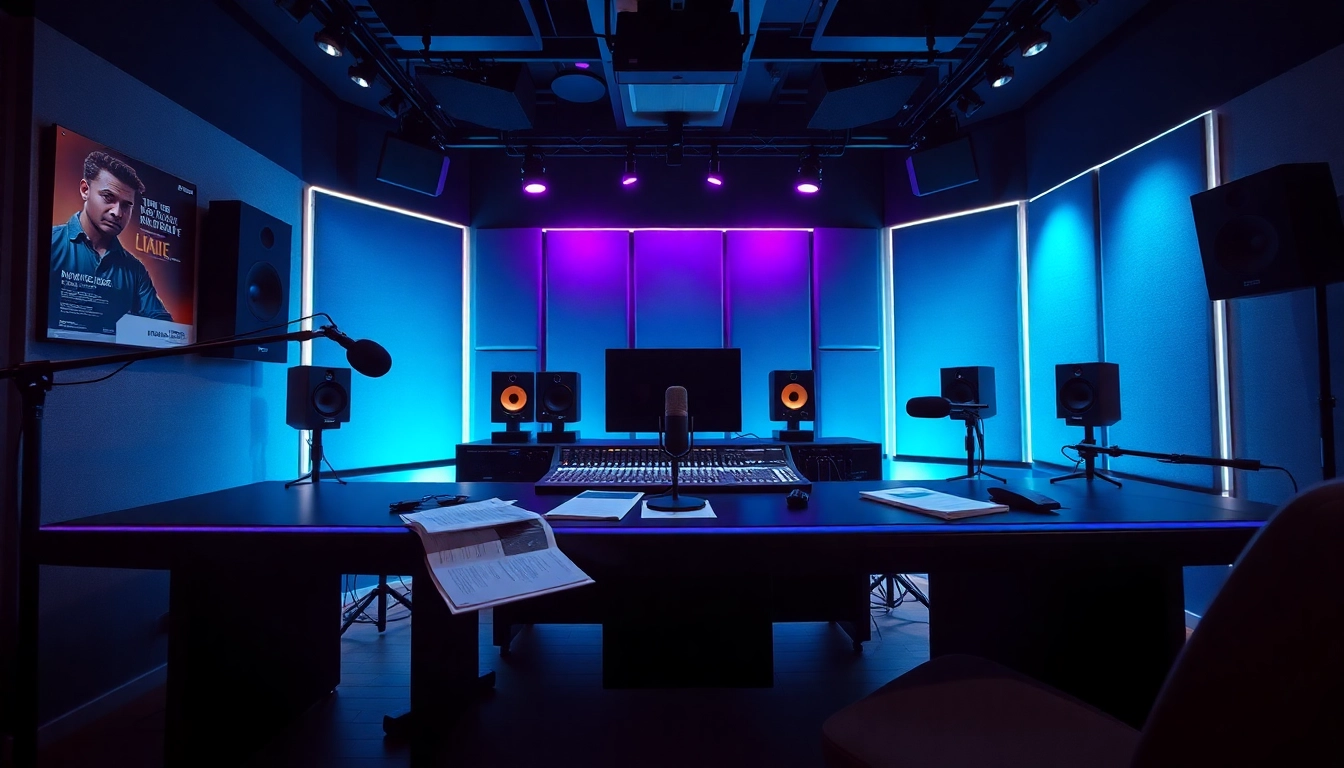
Acoustic treatment is another critical aspect of sound production. To achieve a cleaner and more balanced sound, it’s important to control reflections and reverberations within a space. Using sound baffles, diffusers, and absorptive materials can significantly improve the audio quality in recording environments.
2.3 Recording Techniques for Cinematic Genres
- Close Miking: This technique involves placing the microphone very close to the sound source, capturing detailed nuances. It’s particularly effective for intimate or emotional moments in soundtracks.
- Ambience Recording: Capturing the surrounding environment adds a layer of depth to soundscapes. Utilizing field recordings can enrich the auditory experience, immersing listeners in a more profound sound world.
- Post-Production Processing: Techniques such as reverb, delay, and equalization play a crucial role in shaping the final sound. Skillful mixing can elevate a CM88 composition from ordinary to extraordinary.
Common Challenges in CM88 Sound Production
As with any artistic endeavor, CM88 sound production presents its own set of challenges that require careful navigation and problem-solving skills.
3.1 Misconceptions About Sound Quality
Many newcomers to the world of sound design may believe that higher quality equipment guarantees superior sound quality. However, understanding the nuances of sound production—including arrangement, mixing, and mastering—is equally important for achieving the desired outcome.
3.2 Dealing with Noise and Interference
Noise issues, such as hum and feedback, can significantly hinder sound production. Effective sound isolation techniques and high-quality cables can help mitigate these problems, ensuring a cleaner recording environment for CM88 projects.
3.3 Understanding Frequency Response
A strong grasp of frequency response is essential in sound production. Different sounds occupy different frequencies, and knowing how to balance these can lead to a more cohesive mix. Utilizing equalization effectively allows producers to carve out space for each element within a CM88 composition.
Best Practices for Creating CM88 Soundtracks
Producing compelling CM88 soundtracks involves adopting best practices that enhance creativity and technical precision.
4.1 Layering Sounds for Depth and Emotion
Layering is a powerful technique in CM88 compositions. By combining multiple sound sources, producers can evoke a sense of richness and fullness. Experimenting with textures and frequencies can result in dynamic soundscapes that resonate with listeners on an emotional level.
4.2 Mixing Techniques to Enhance Clarity
Effective mixing is crucial for maintaining clarity within a composition. Using techniques such as panning, volume automation, and frequency separation can help ensure that each element of the soundtrack is distinct and audible.
4.3 Utilizing Technology for Superior Results
The rapid advancements in technology provide CM88 producers with tools to enhance their creativity. Embracing software plugins, virtual instruments, and cutting-edge audio editing software can streamline the sound production process and lead to innovative outcomes.
Future Trends in CM88 and Sound Design
As we move toward 2026, the world of CM88 and sound design is poised for further evolution, driven by technological innovations and artistic exploration.
5.1 Innovations in Sound Equipment by 2026
The next few years are likely to bring significant advancements in sound equipment. With the emergence of AI-driven tools and enhanced recording technologies, producers can expect greater precision and more streamlined workflows.
5.2 The Role of AI in Music Production
AI is already making waves in the music industry, and its influence on CM88 sound design will only grow. From assisting in composition to automating mixing processes, AI could potentially transform how artists create and produce music.
5.3 Predictions for the Next Generation of Sound Artists
As technology continues to reshape the music landscape, the next generation of sound artists will likely be equipped with a diverse skill set that blends traditional musicianship with advanced technical knowledge. This evolution will usher in a new era of creativity and innovation in CM88 soundscapes.
