
Choosing the Right Fly Fishing Line: A Guide for Every Angler
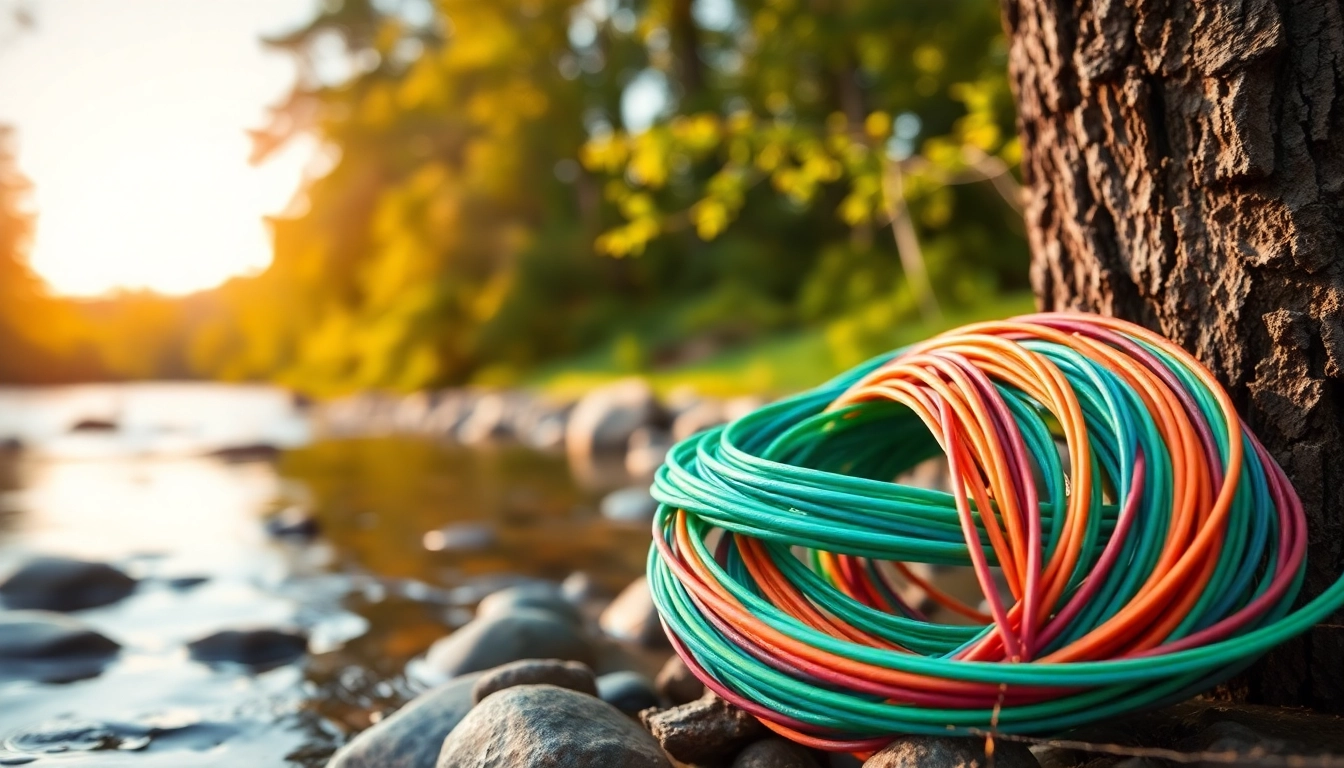
Understanding the Basics of Fly Fishing Line
What is Fly Fishing Line?
Fly fishing line is a specialized type of fishing line designed to deliver flies to fish in a precise and effective manner. Unlike conventional fishing lines, which rely on weight to pull bait or lures, fly fishing line uses its buoyancy and tapering design to cast lightweight artificial flies. The line’s construction typically features a core that may vary in materials—ranging from monofilament to braided lines—encased in an outer layer that provides durability and resistance to environmental factors.
Types of Fly Fishing Line
The selection of fly fishing line is vast, with various types suited for different fishing scenarios. Key types include:
- Weight Forward (WF): Ideal for long-distance casting, WF lines have a front-heavy taper that allows for smooth delivery of heavier flies.
- Double Taper (DT): This type has a symmetrical taper on both ends, making it perfect for delicate presentations and roll casting.
- Shooting Head: Designed for extremely long casts, these lines involve a heavier front section, often used in saltwater environments.
- Floating, Sinking, and Sink-Tip Lines: Floating lines are standard for most dry fly presentations, while sinking lines are used for deep-water targeting, and sink-tip lines provide versatility for varied depths.
Why the Right Line Matters
The right fly fishing line is crucial for enhancing your angling experience. Choosing the correct line can significantly affect casting accuracy, presentation, and the ability to match the hatch—the natural insect lifecycle that fish feed on at any given time. An inappropriate line can lead to tangles, reduced casting distance, and poor fly presentation, ultimately resulting in fewer catches.
Selecting the Ideal Fly Fishing Line for Your Needs
Factors to Consider When Choosing
When selecting the ideal fly fishing line, several factors must be considered:
- Fly Rod Weight: The weight of the rod should match the line weight, which is typically denoted on both the rod and the line packaging. This harmony ensures efficient casting and better handling.
- Fishing Environment: Assess whether you’ll be fishing in freshwater or saltwater. Environmental elements, such as wind strength and water current, can dictate the line type and weight required.
- Personal Casting Style: Every angler has a preferred casting technique. Some may benefit from a weight-forward line for dynamic casting, while others might favor a double taper for finesse.
- Target Species: Factor in the fish species you intend to pursue. Different fish might necessitate distinct fly sizes, which correlate directly with the necessary line specifications.
Matching Line with Rod and Reel
To ensure optimal performance, matching your fly fishing line with your rod and reel is essential. A comprehensive understanding of the fly rod weight classification—ranging from 0 to 12 weight—provides guidance on line compatibility. For instance, using a 5-weight rod with a 5-weight line maximizes casting efficiency and control. Additionally, consider the reel’s capacity and drag system, ensuring it supports your chosen line for smooth retrieval and drag management.
Budgeting for Quality Lines
Quality should never be sacrificed for price when it comes to fly fishing lines. While budgeting for a line, it’s crucial to consider the durability and performance. Invest in a reputable brand known for its craftsmanship, material integrity, and performance in various fishing conditions. A good fly fishing line can be an upfront expense but saves money in the long run, as it reduces damages and enhances your overall fly-fishing success.
Techniques for Using Fly Fishing Line Effectively
Proper Casting Techniques
Mastering proper casting techniques is crucial for effective use of fly fishing line. The basic cast involves the following steps:
- Back Cast: Lift the line behind you while the rod tip is pointed upward.
- Forward Cast: Snap the rod tip forward, releasing the line and allowing the fly to gently land on the water surface.
- Presentation: Aim for a stylish entry, imitating the natural fall of the fly.
Practice these techniques in open areas to develop accuracy and distance. Moreover, learning rolls casts and mend techniques further augments your adaptability in varying fishing conditions.
Managing Line on the Water
Effectively managing your line on the water is vital for a successful fly fishing experience. Techniques include keeping a slack line when needed for delicacy and ensuring line retrieval is smooth and efficient. Additionally, utilizing a net helps to control line movement, preventing tangles and snags, particularly in fast-moving water. Observe your line’s behavior on the water surface to ascertain when to maintain tension or loosen it for better presentation.
Adjusting to Environmental Factors
Environmental conditions significantly influence the use of fly fishing line. Factors such as wind, water current, and insect activity determine the type of line and technique to be employed:
- Wind Direction: Adjust your casting angle to counteract the wind, ensuring the fly remains targeted in your desired zone.
- Water Conditions: For choppy waters, use heavier sinking lines or weighted flies to maintain depth and visibility.
- Insect Life: Matching your fly line to the type of insect activity observed increases your chances of attracting fish.
Common Issues with Fly Fishing Line
Tangles and Snags: Prevention and Solutions
Tangles and snags are common frustrations faced by anglers. To minimize these issues:
- Proper Storage: Store your fly fishing line correctly to prevent kinks and twists.
- Line Management: Use line management tools to keep your line organized, especially when handling multiple setups.
- Practice Casting: Regularly practicing casting techniques enhances overall line control and reduces tangling during actual fishing.
In case of tangles, remain calm; carefully unwind and keep the line taut to avoid further knots.
Line Maintenance Tips
Maintaining the integrity of your fly fishing line prolongs its lifespan. Basic maintenance tips include rinsing the line after every fishing trip, inspecting for wear or damage, and applying line conditioners to keep it supple. Properly storing the line out of direct sunlight prevents degradation of materials, particularly in braided lines.
When to Replace Your Fly Fishing Line
Replacement timing for fly fishing line depends on usage frequency and environmental conditions. Regularly inspect for signs of wear, such as fraying, discoloration, or memory coils. As a rule of thumb, replacing your line annually or at least every few fishing seasons ensures optimal performance.
FAQs About Fly Fishing Line
What weight fly fishing line should I use?
Choose the line weight according to your rod and the fish species targeted. A common starting point is a weight designation that matches your fly rod.
How often should I replace my fly fishing line?
Inspect your line for wear and replace it annually or every few fishing seasons, depending on frequency and conditions of use.
Can I use regular fishing line for fly fishing?
No, fly fishing line is specifically designed for the technique, allowing for better casting and presentation of flies in water.
How do I care for my fly fishing line?
Rinse the line after use, store it away from direct sunlight, and check for damage regularly to prolong its lifespan.
What is the best brand of fly fishing line?
While brand quality varies, factors like material, weight, and your specific fishing conditions are more crucial than brand alone.