
Essential Strategies for Effective Construction Site Safety Training
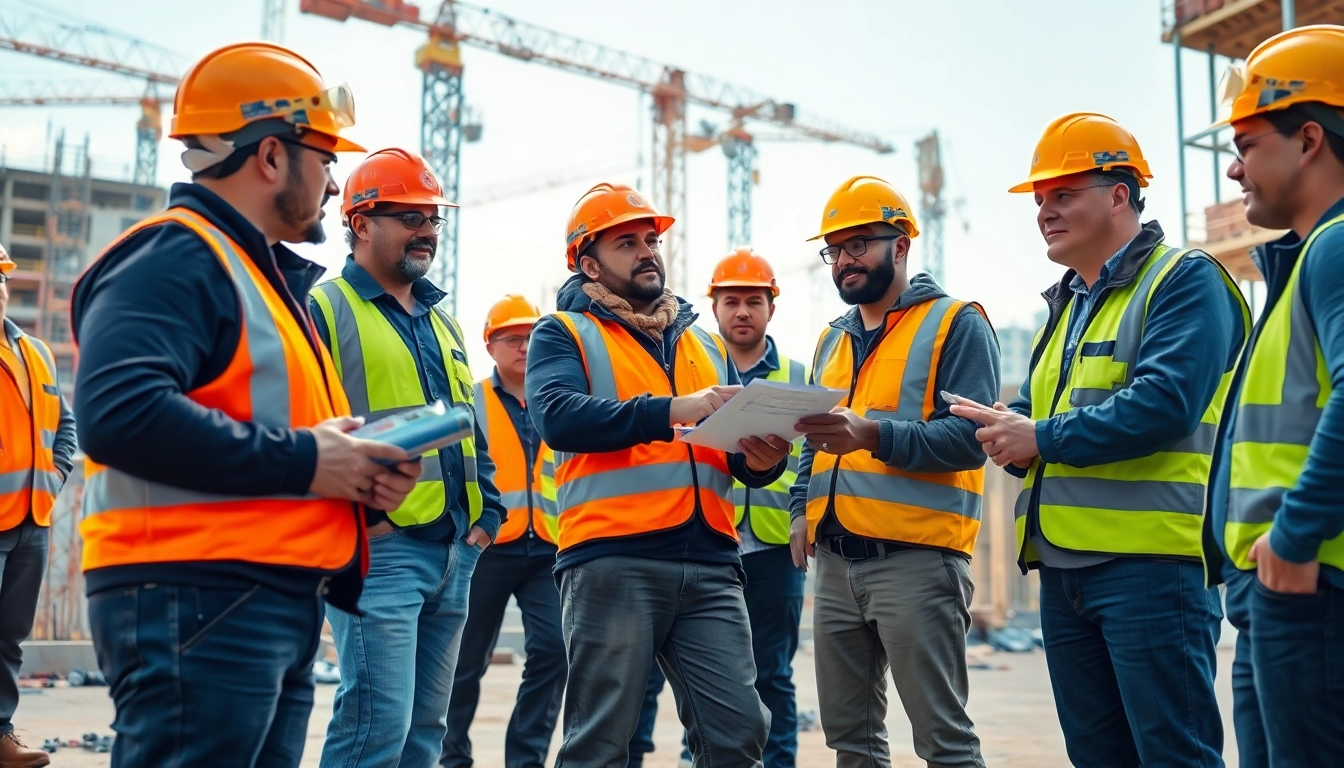
Understanding the Importance of Construction Site Safety Training
Defining Construction Site Safety Training
Construction site safety training encompasses a structured approach to educating workers about safety protocols, hazard recognition, and emergency response. It includes both theoretical knowledge and practical skills needed to navigate the various risks present on construction sites. The goal is to ensure that each worker is equipped to perform their duties without compromising their own safety or that of their coworkers. Effective training programs may incorporate hands-on exercises, simulations, and assessments to measure knowledge retention and practical application.
Key Benefits for Workers and Employers
Implementing a comprehensive construction site safety training program delivers numerous advantages for both employees and employers. For workers, it enhances their awareness of potential hazards, thereby increasing confidence in their ability to respond to emergencies. This training reduces the likelihood of accidents, leading to fewer injuries and a safer work environment. For employers, investing in safety training can dramatically reduce costs associated with workplace injuries, including medical expenses, insurance premiums, and lost productivity. Furthermore, a robust safety training program contributes to a positive company image, attracting prospective talent and maintaining client trust.
Common Safety Risks in Construction Sites
Construction sites are inherently dangerous due to various factors, such as heavy machinery, working at heights, and the presence of hazardous materials. Common risks include:
- Falls: One of the leading causes of fatal injuries in construction, falls can occur from heights or when navigating uneven surfaces.
- Electrocution: Contact with live wires, faulty equipment, or poor electrical installations poses significant risks to workers.
- Struck-by Incidents: Heavy equipment and moving materials can lead to serious injuries if proper safety measures are not in place.
- Caught-In/Between Hazards: Workers can be trapped by machinery or collapse of structures, leading to severe injuries or fatalities.
- Exposure to Hazardous Materials: Inhalation or skin contact with chemicals, asbestos, or other toxic substances can result in long-term health issues.
Implementing Effective Safety Training Programs
Essential Components of Training Sessions
To develop an effective safety training program, it is crucial to include several essential components:
- Orientation: New employees should undergo orientation that introduces them to the site-specific hazards and safety protocols.
- Hands-On Training: Practical sessions that simulate real-life scenarios enable workers to practice emergency procedures, equipment operation, and risk recognition.
- Assessment and Certification: Regular tests gauge worker understanding and the ability to apply safety concepts in real situations. Certification can also encourage accountability and commitment to safety standards.
- Refresher Courses: Periodic training helps keep safety protocols fresh in workers’ minds and addresses any changes in regulations or techniques.
Choosing Appropriate Training Methods
Selecting the right training methods is vital for engagement and effectiveness. Techniques include:
- In-Person Training: Face-to-face sessions facilitate real-time interaction, allowing for immediate feedback and clarification of doubts.
- Online Learning: E-learning platforms provide flexibility and allow workers to learn at their own pace, particularly useful for refresher courses.
- Simulation Exercises: Using virtual reality or role-playing scenarios enables workers to practice skills in a controlled environment where mistakes can be safely made.
- Peer-to-Peer Learning: Experienced workers sharing knowledge with newer members can foster a collaborative learning atmosphere that reinforces safety culture.
Measuring Training Effectiveness and Retention
The effectiveness of safety training can be gauged through several methods:
- Pre- and Post-Training Assessments: These evaluations can highlight knowledge gains and areas needing improvement.
- Incident Rate Analysis: Monitoring the frequency and severity of incidents post-training can indicate program success.
- Feedback Surveys: Collecting participants’ input on training quality helps refine future sessions for greater impact.
- Practical Assessments: Observing workers during real tasks allows supervisors to assess the application of training in the field.
Creating a Safety Culture on Construction Sites
Encouraging Worker Participation and Feedback
Fostering a safety culture involves active participation from all workers. Organizations can encourage feedback by:
- Regular Meetings: Holding safety briefings allows workers to share concerns, experiences, and suggestions for improvement.
- Anonymous Reporting Systems: Providing channels for anonymous reporting of safety issues can empower workers to speak up without fear of reprisal.
- Incentive Programs: Implementing rewards for safe practices or reporting hazards can motivate employees to take ownership of their safety.
Establishing Clear Communication Channels
Effective communication is essential for a strong safety culture. It can be enhanced by:
- Visual Aids: Using posters, signs, and symbols to convey safety information at a glance ensures clarity.
- Regular Updates: Keeping all team members informed about changes in safety protocols or ongoing safety initiatives promotes transparency.
- Open-Door Policies: Encouraging workers to approach supervisors with safety-related concerns fosters a supportive environment.
Recognizing and Rewarding Safe Practices
Positive reinforcement is critical in shaping a safety-oriented environment. Strategies include:
- Safety Awards: Recognition programs for individuals or teams who demonstrate exemplary safety practices can motivate others to follow suit.
- Public Acknowledgment: Celebrating safety successes during meetings or company events reinforces the importance of safety as a core value.
- Logistical Support: Ensuring that workers have the necessary safety equipment and management support sends a message that safety is valued.
Advanced Safety Training Techniques
Using Technology to Enhance Learning
Incorporating technology into safety training can significantly enhance learning outcomes. Innovative approaches include:
- Virtual Reality Training: Immersive simulations allow workers to experience real-life situations without risk, promoting better retention of safety protocols.
- Mobile Applications: Easy access to safety resources, checklists, and training materials via smartphones enables continuous learning on the go.
- Data Analytics: Analyzing training data can provide insights into common mistakes, allowing for targeted improvements in future sessions.
Continuous Safety Education and Refresher Courses
Safety training should not be a one-time event but an ongoing process. Key elements include:
- Scheduled Refreshers: Regular refresher courses ensure that knowledge remains current and top of mind for all workers.
- Adapting to New Regulations: As regulations evolve, updating training content to reflect these changes is essential to compliance and safety.
- Industry Trends: Keeping abreast of industry developments helps imbed best safety practices within the organization.
Adapting Training to Changes in Regulations
The construction industry is subject to frequent regulatory updates which necessitate quick adaptation. Strategies for effective adaptation include:
- Regular Review of Compliance Requirements: Conducting periodic assessments ensures that training aligns with current laws and standards.
- Incorporating Legislative Changes into Training Materials: Updating training content promptly reflects changes, maintaining compliance and safety awareness.
- Engaging Regulatory Experts: Bringing in compliance specialists can provide valuable insights into new regulations, ensuring comprehensive understanding across the workforce.
Evaluating the Impact of Safety Training
Tracking Incident Reports and Trends
To evaluate the effectiveness of safety training, organizations should:
- Monitor Incident Reports: Analyzing patterns in incident reports helps identify areas of concern that may not have been addressed in training.
- Trend Analysis: Tracking incidents over time allows for benchmarking and measuring safety improvements correlated with training efforts.
- Comparison Benchmarks: Comparing incident rates with industry standards can provide external validation of the effectiveness of safety initiatives.
Conducting Safety Audits and Inspections
Regular audits uncover opportunities for improvement. Procedures include:
- Systematic Inspections: Conducting audits with a checklist encourages thoroughness and ensures no aspect of safety is overlooked.
- Engaging Third-Party Auditors: Objective feedback from external auditors can highlight areas in need of strengthened protocols.
- Follow-Up Actions: Implementing corrective actions from audit findings is essential for continuous improvement and accountability.
Feedback from Workers on Safety Improvements
Gaining feedback from workers is invaluable for enhancing safety practices. Approaches include:
- Surveys and Questionnaires: Regularly soliciting worker feedback helps gauge perceptions of safety measures and training quality.
- Focus Groups: Conducting discussions with small groups can encourage deeper exploration of safety culture and training efficacy.
- Community Platforms: Establishing online forums for workers to share perspectives fosters ongoing dialogue and idea exchange.
Frequently Asked Questions
What is construction site safety training?
Construction site safety training provides workers with the knowledge and skills necessary to recognize hazards and respond appropriately to emergencies, ensuring their safety and that of their colleagues.
Why is safety training important?
Safety training reduces the risk of accidents and injuries, enhances workers’ confidence, and lowers costs related to injuries for employers, fostering a safer work environment.
What should a safety training program include?
A safety training program should include orientation, hands-on training, assessments, refresher courses, and a focus on site-specific hazards and safety protocols.
How can technology improve safety training?
Technology such as virtual reality and mobile applications enhances engagement, allows for immersive learning experiences, and makes training resources more accessible.
How do I measure the effectiveness of safety training?
Measuring effectiveness can involve assessments, monitoring incident reports, conducting audits, and gathering feedback from workers about their safety awareness and practices.